
01Texas Roadhouse
1.4 million views.
Over bread.
The rolls were the prop. The argument was the content.
- 1.4M
- Views
- 11K+
- Reactions
- 1.9K
- Replies
- 870+
- Shares
Attention is earned. Conversation is currency.
Ragevertising is an earned-attention strategy agency. We find the tension hiding in your brand and turn it into conversation that earns distribution, attention, and business results.
Case in point · Texas Roadhouse
1.4M
organic views on one post about free bread. No media spend.
“The rolls were the prop. The argument was the content.”
Brands featured in organic Ragevertising case studies




%20--%3e%3csvg%20version='1.1'%20id='Layer_1'%20xmlns='http://www.w3.org/2000/svg'%20xmlns:xlink='http://www.w3.org/1999/xlink'%20x='0px'%20y='0px'%20viewBox='0%200%20537.31%20121.24'%20style='enable-background:new%200%200%20537.31%20121.24;'%20xml:space='preserve'%3e%3cstyle%20type='text/css'%3e%20.st0{fill:%23649441;}%20%3c/style%3e%3cpath%20id='path3277'%20class='st0'%20d='M0,39.08c0,0,0.12-35.61,43.24-35.61c61.87,0,60.88,88.98,1.25,88.98%20c-12.12,0-21.18-3.06-26.74-7.51v35.5H0V39.08z%20M43.35,23.49c-30.14,0-30.52,47.45,0,47.45C73.96,70.94,73.49,23.49,43.35,23.49z'/%3e%3cpath%20id='path3279'%20class='st0'%20d='M236.22,84.82c0,0,0.11,35.62,43.24,35.62c61.4,0,58.81-88.98,1.25-88.98%20c-12.12,0-21.18,3.06-26.74,7.51V3.47h-17.75V84.82L236.22,84.82z%20M279.57,100.41c-30.2,0-30.54-47.45,0-47.45%20C310.18,52.96,309.81,100.41,279.57,100.41z'/%3e%3cpath%20id='path3281'%20class='st0'%20d='M121.15,91.99l0.02-55.98h20.22l0.12,55.98c0,0,3.37,11.98,17.75,11.98%20c14.15,0,20.37-11.98,20.37-11.98l0.11-55.98h18.66v55.98c0,0-4.39,29.24-38.23,29.24C126.12,121.23,121.15,91.99,121.15,91.99z'/%3e%3cpath%20id='path3283'%20class='st0'%20d='M356.81,5.97h20.25l0,114.47h-20.25V5.97z'/%3e%3cpath%20id='path3285'%20class='st0'%20d='M413.7,36.46h20.26v83.98H413.7V36.46z'/%3e%3cpath%20id='path3287'%20class='st0'%20d='M437.18,12.4c0,6.85-5.55,12.4-12.4,12.4s-12.4-5.55-12.4-12.4S417.93,0,424.78,0%20S437.18,5.55,437.18,12.4L437.18,12.4z'/%3e%3cpath%20id='path3289'%20class='st0'%20d='M491.9,77.37l-25.44-40.68h22.76l11.6,20.26l11.5-20.26h20.25l-20.36,40.62l25.1,43.13h-20.09%20l-13.83-22.76l-11.66,22.76h-22.7L491.9,77.37z'/%3e%3c/svg%3e)

%20--%3e%3c!DOCTYPE%20svg%20PUBLIC%20'-//W3C//DTD%20SVG%201.1//EN'%20'http://www.w3.org/Graphics/SVG/1.1/DTD/svg11.dtd'%3e%3csvg%20version='1.1'%20id='Capa_1'%20xmlns='http://www.w3.org/2000/svg'%20xmlns:xlink='http://www.w3.org/1999/xlink'%20x='0px'%20y='0px'%20width='926.906px'%20height='321.777px'%20viewBox='0%200%20926.906%20321.777'%20enable-background='new%200%200%20926.906%20321.777'%20xml:space='preserve'%3e%3cg%3e%3cpath%20fill='%23010202'%20d='M53.328,229.809c3.917,10.395,9.34,19.283,16.27,26.664c6.93,7.382,15.14,13.031,24.63,16.948%20c9.491,3.917,19.81,5.875,30.958,5.875c10.847,0,21.015-2.034,30.506-6.102s17.776-9.792,24.856-17.173%20c7.08-7.382,12.579-16.194,16.496-26.438c3.917-10.244,5.875-21.692,5.875-34.347V0h47.453v316.354h-47.001v-29.376%20c-10.545,11.147-22.974,19.734-37.285,25.761c-14.312,6.025-29.752,9.038-46.323,9.038c-16.873,0-32.615-2.938-47.228-8.813%20c-14.612-5.875-27.267-14.235-37.962-25.082S15.441,264.006,9.265,248.79C3.088,233.575,0,216.628,0,197.947V0h47.453v195.236%20C47.453,207.891,49.411,219.414,53.328,229.809z'/%3e%3cpath%20fill='%23010202'%20d='M332.168,0v115.243c10.545-10.545,22.748-18.905,36.607-25.082s28.924-9.265,45.193-9.265%20c16.873,0,32.689,3.163,47.453,9.49c14.763,6.327,27.567,14.914,38.414,25.761s19.434,23.651,25.761,38.414%20c6.327,14.764,9.49,30.431,9.49,47.002c0,16.57-3.163,32.162-9.49,46.774c-6.327,14.613-14.914,27.343-25.761,38.188%20c-10.847,10.847-23.651,19.434-38.414,25.761c-14.764,6.327-30.581,9.49-47.453,9.49c-16.27,0-31.409-3.088-45.419-9.265%20c-14.01-6.176-26.288-14.537-36.833-25.082v28.924h-45.193V0H332.168z%20M337.365,232.746c4.067,9.642,9.717,18.078,16.948,25.309%20c7.231,7.231,15.667,12.956,25.308,17.174c9.642,4.218,20.036,6.327,31.184,6.327c10.847,0,21.09-2.109,30.731-6.327%20s18.001-9.942,25.083-17.174c7.08-7.23,12.729-15.667,16.947-25.309c4.218-9.641,6.327-20.035,6.327-31.183%20c0-11.148-2.109-21.618-6.327-31.41s-9.867-18.303-16.947-25.534c-7.081-7.23-15.441-12.88-25.083-16.947%20s-19.885-6.102-30.731-6.102c-10.846,0-21.09,2.034-30.731,6.102s-18.077,9.717-25.309,16.947%20c-7.23,7.231-12.955,15.742-17.173,25.534c-4.218,9.792-6.327,20.262-6.327,31.41C331.264,212.711,333.298,223.105,337.365,232.746%20z'/%3e%3cpath%20fill='%23010202'%20d='M560.842,155.014c6.025-14.462,14.312-27.191,24.856-38.188s23.049-19.659,37.511-25.986%20s30.129-9.49,47.001-9.49c16.571,0,31.937,3.013,46.098,9.038c14.16,6.026,26.362,14.387,36.606,25.083%20c10.244,10.695,18.229,23.35,23.952,37.962c5.725,14.613,8.587,30.506,8.587,47.68v14.914H597.901%20c1.507,9.34,4.52,18.002,9.039,25.985c4.52,7.984,10.168,14.914,16.947,20.789c6.779,5.876,14.462,10.471,23.049,13.784%20c8.587,3.314,17.7,4.972,27.342,4.972c27.418,0,49.563-11.299,66.435-33.896l32.991,24.404%20c-11.449,15.366-25.609,27.418-42.481,36.155c-16.873,8.737-35.854,13.106-56.944,13.106c-17.174,0-33.217-3.014-48.131-9.039%20s-27.869-14.462-38.866-25.309s-19.659-23.576-25.986-38.188s-9.491-30.506-9.491-47.679%20C551.803,184.842,554.817,169.476,560.842,155.014z%20M624.339,137.162c-12.805,10.696-21.316,24.932-25.534,42.708h140.552%20c-3.917-17.776-12.278-32.012-25.083-42.708c-12.805-10.695-27.794-16.043-44.967-16.043%20C652.133,121.119,637.144,126.467,624.339,137.162z'/%3e%3cpath%20fill='%23010202'%20d='M870.866,142.359c-9.641,10.545-14.462,24.856-14.462,42.934v131.062h-45.646V85.868h45.193v28.472%20c5.725-9.34,13.182-16.722,22.371-22.145c9.189-5.424,20.111-8.136,32.766-8.136h15.817v42.482h-18.981%20C892.86,126.542,880.507,131.814,870.866,142.359z'/%3e%3c/g%3e%3c/svg%3e)
'%20style='fill:%23C74634'/%3e%3c/svg%3e)

%20--%3e%3c!DOCTYPE%20svg%20PUBLIC%20'-//W3C//DTD%20SVG%201.1//EN'%20'http://www.w3.org/Graphics/SVG/1.1/DTD/svg11.dtd'%3e%3csvg%20version='1.1'%20id='Layer_1'%20xmlns='http://www.w3.org/2000/svg'%20xmlns:xlink='http://www.w3.org/1999/xlink'%20x='0px'%20y='0px'%20width='500px'%20height='145.6895px'%20viewBox='0%200%201000%20291.379'%20enable-background='new%200%200%201000%20291.379'%20xml:space='preserve'%3e%3cg%3e%3cpath%20fill='%23FF004F'%20d='M191.102,105.182c18.814,13.442,41.862,21.351,66.755,21.351V78.656c-4.711,0.001-9.41-0.49-14.019-1.466%20v37.686c-24.891,0-47.936-7.909-66.755-21.35v97.703c0,48.876-39.642,88.495-88.54,88.495c-18.245,0-35.203-5.513-49.29-14.968%20c16.078,16.431,38.5,26.624,63.306,26.624c48.901,0,88.545-39.619,88.545-88.497v-97.701H191.102z%20M208.396,56.88%20c-9.615-10.499-15.928-24.067-17.294-39.067v-6.158h-13.285C181.161,30.72,192.567,47.008,208.396,56.88L208.396,56.88z%20M70.181,227.25c-5.372-7.04-8.275-15.652-8.262-24.507c0-22.354,18.132-40.479,40.502-40.479%20c4.169-0.001,8.313,0.637,12.286,1.897v-48.947c-4.643-0.636-9.329-0.906-14.013-0.807v38.098c-3.976-1.26-8.122-1.9-12.292-1.896%20c-22.37,0-40.501,18.123-40.501,40.48C47.901,206.897,56.964,220.583,70.181,227.25z'/%3e%3cpath%20d='M177.083,93.525c18.819,13.441,41.864,21.35,66.755,21.35V77.189c-13.894-2.958-26.194-10.215-35.442-20.309%20c-15.83-9.873-27.235-26.161-30.579-45.225h-34.896v191.226c-0.079,22.293-18.18,40.344-40.502,40.344%20c-13.154,0-24.84-6.267-32.241-15.975c-13.216-6.667-22.279-20.354-22.279-36.16c0-22.355,18.131-40.48,40.501-40.48%20c4.286,0,8.417,0.667,12.292,1.896v-38.098c-48.039,0.992-86.674,40.224-86.674,88.474c0,24.086,9.621,45.921,25.236,61.875%20c14.087,9.454,31.045,14.968,49.29,14.968c48.899,0,88.54-39.621,88.54-88.496V93.525L177.083,93.525z'/%3e%3cpath%20fill='%2300F2EA'%20d='M243.838,77.189V66.999c-12.529,0.019-24.812-3.488-35.442-10.12%20C217.806,67.176,230.197,74.276,243.838,77.189z%20M177.817,11.655c-0.319-1.822-0.564-3.656-0.734-5.497V0h-48.182v191.228%20c-0.077,22.29-18.177,40.341-40.501,40.341c-6.554,0-12.742-1.555-18.222-4.318c7.401,9.707,19.087,15.973,32.241,15.973%20c22.32,0,40.424-18.049,40.502-40.342V11.655H177.817z%20M100.694,114.408V103.56c-4.026-0.55-8.085-0.826-12.149-0.824%20C39.642,102.735,0,142.356,0,191.228c0,30.64,15.58,57.643,39.255,73.527c-15.615-15.953-25.236-37.789-25.236-61.874%20C14.019,154.632,52.653,115.4,100.694,114.408z'/%3e%3cpath%20fill='%23FF004F'%20d='M802.126,239.659c34.989,0,63.354-28.136,63.354-62.84c0-34.703-28.365-62.844-63.354-62.844h-9.545%20c34.99,0,63.355,28.14,63.355,62.844s-28.365,62.84-63.355,62.84H802.126z'/%3e%3cpath%20fill='%2300F2EA'%20d='M791.716,113.975h-9.544c-34.988,0-63.358,28.14-63.358,62.844s28.37,62.84,63.358,62.84h9.544%20c-34.993,0-63.358-28.136-63.358-62.84C728.357,142.116,756.723,113.975,791.716,113.975z'/%3e%3cpath%20d='M310.062,85.572v31.853h37.311v121.374h37.326V118.285h30.372l10.414-32.712H310.062z%20M615.544,85.572v31.853h37.311%20v121.374h37.326V118.285h30.371l10.413-32.712H615.544z%20M432.434,103.648c0-9.981,8.146-18.076,18.21-18.076%20c10.073,0,18.228,8.095,18.228,18.076c0,9.982-8.15,18.077-18.228,18.077C440.58,121.72,432.434,113.63,432.434,103.648z%20M432.434,134.641h36.438v104.158h-36.438V134.641z%20M484.496,85.572v153.226h36.452v-39.594l11.283-10.339l35.577,50.793h39.05%20l-51.207-74.03l45.997-44.768h-44.258l-36.442,36.153V85.572H484.496z%20M877.623,85.572v153.226h36.457v-39.594l11.278-10.339%20l35.587,50.793H1000l-51.207-74.03l45.995-44.768h-44.256l-36.452,36.153V85.572H877.623z'/%3e%3cpath%20d='M792.578,239.659c34.988,0,63.358-28.136,63.358-62.84c0-34.703-28.37-62.844-63.358-62.844h-0.865%20c-34.99,0-63.355,28.14-63.355,62.844s28.365,62.84,63.355,62.84H792.578z%20M761.336,176.819c0-16.881,13.8-30.555,30.817-30.555%20c17.005,0,30.804,13.674,30.804,30.555s-13.799,30.563-30.804,30.563C775.136,207.379,761.336,193.7,761.336,176.819z'/%3e%3c/g%3e%3c/svg%3e)
These brands are the subjects of Carlos Gil's public organic conversations and case studies. They are not represented as clients, partners, sponsors or endorsers, and no approval is implied. All brand names and logos are the property of their respective owners.
The category
Ragevertising is a conversation-driven, earned-attention strategy. It identifies the real tensions, frustrations, opinions, and cultural debates an audience already cares about, and turns them into participatory content people argue about, defend, and share.
The mechanic is simple and repeatable: find a recognizable friction, frame it so both sides have something to say, then let the audience carry the distribution. Replies do the work paid media used to buy. That is why the output is measured in conversation — comments, quote posts, and reply threads — not impressions alone.
The difference between rage bait marketing and Ragevertising is authorship of the tension. Rage bait invents a provocation to harvest clicks. Ragevertising surfaces a tension the audience brought with them, then gives the brand a defensible role inside that conversation. The method is documented in the Ragevertising manifesto and proven in 26.6 million organic views of documented case studies.
Watch the definition
WHAT IS RAGEVERTISING? The Marketing Strategy Built to Get People Talking
Carlos Gil explains the category in his own words — what Ragevertising is, and what it refuses to be.
Ragevertising in action
Over a 90-day period, 15 organic posts from Carlos Gil generated approximately 26.6 million views, tens of thousands of reactions, and more than 50,000 replies by turning familiar frustrations into participatory conversations.
Top five by views
Performance figures obtained from Threads Insights for June 1–August 29, 2026, the longest post-level reporting window available when this analysis was conducted.
These are Carlos Gil’s organic posts and case studies. The brands referenced are subjects of editorial analysis — not clients, partners, sponsors or endorsers. All brand names and logos are the property of their respective owners.
Evidence
Real posts. Real conversations. Zero media spend. Maximum ripple. Metrics appear only where they have been supplied and verified.
View all case studies →01Texas Roadhouse
The rolls were the prop. The argument was the content.
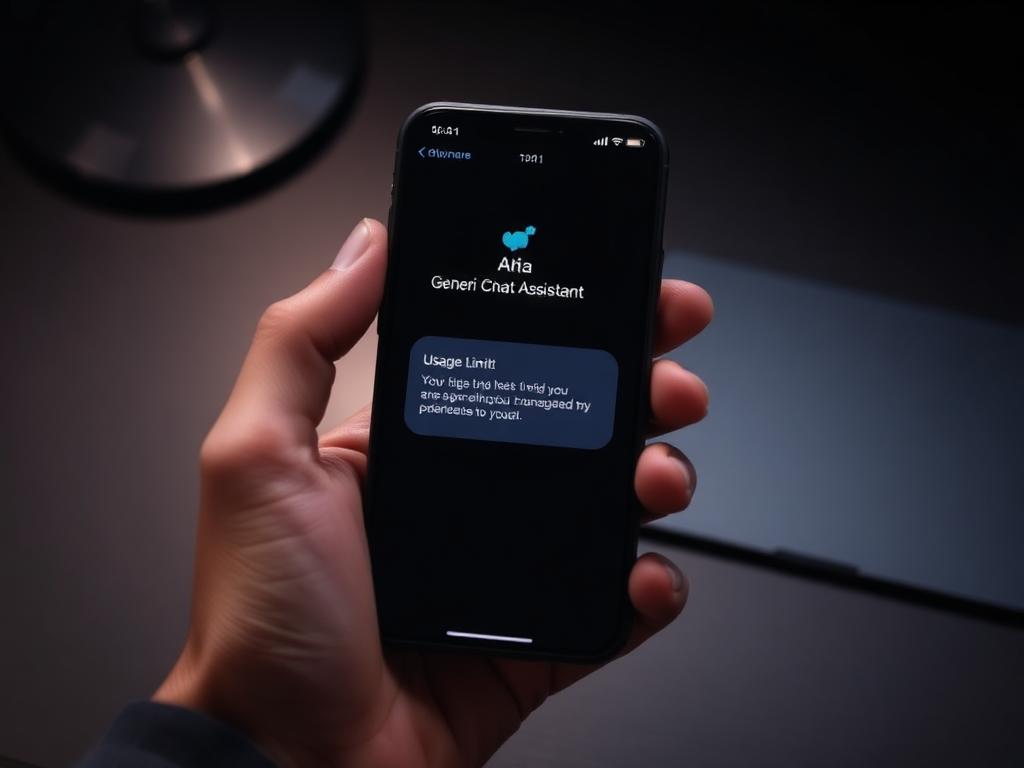
02Claude / AI
The product was AI. The content was the argument.
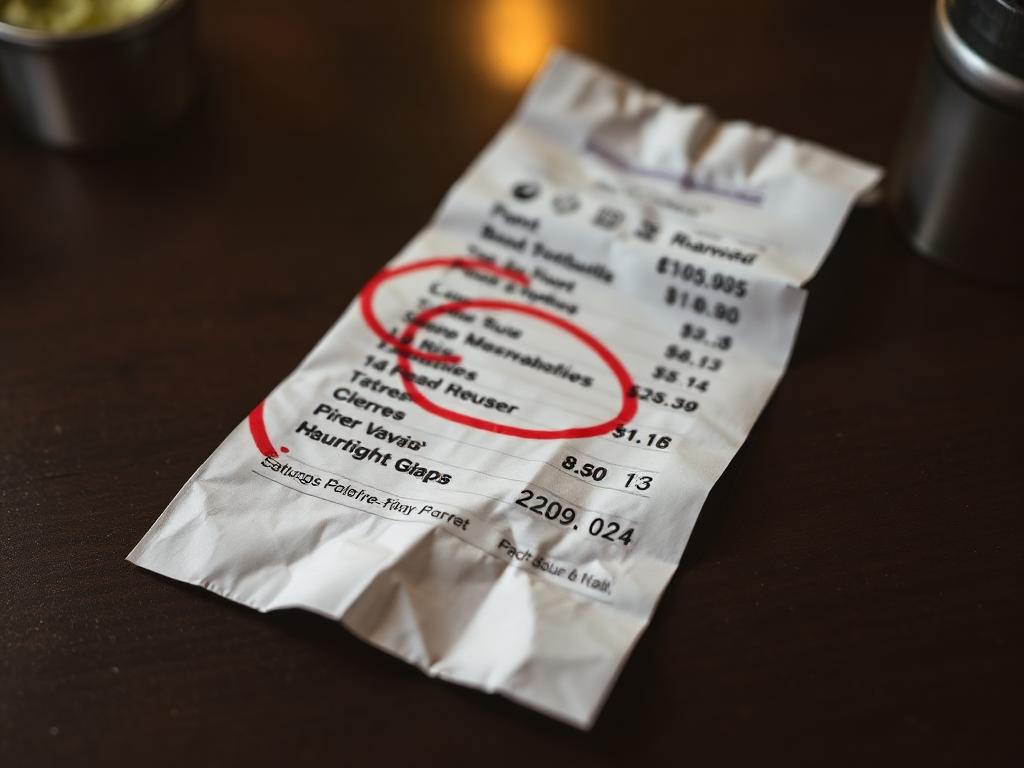
03Consumer pricing
The receipt was the prop. The price was the position.
Performance metrics pending verification
Read the case study →Methodology
We do not manufacture outrage. We engineer conversation — a five-stage process from tension to business outcome.
We uncover the truths, contradictions and opinions your audience already cares about.
Content with a clear point of view and multiple ways for people to participate.
Critics meet defenders. Comments create comments. The audience distributes the idea.
Conversation becomes organic reach, awareness, consideration and cultural relevance.
Traffic, leads, sales, subscribers, brand preference — attention converted.
Diagnostic
Every idea is pressure-tested before a brand publishes it. Ten dimensions, each scored 1–5, for a total out of 50 — so creative risk becomes a number a CMO can review.
The Ripple Score does not predict virality. It evaluates conversational potential before content goes live.
Total ripple score
— /50
The obvious question
Ragevertising isn't trolling. It isn't lying. It isn't picking fights for impressions, and it isn't manufactured outrage. It is the disciplined practice of identifying real tension your audience already feels — then giving them a legitimate reason to talk about it in public.
Amplify the tension.
Don't manufacture the truth.
Every concept ships with guardrails, escalation paths and a moderation plan reviewed before publication.
We start with what is real, relatable and already relevant to your category. Nothing is staged or fabricated.
Content people don't just see — they feel compelled to join, defend, argue and share.
Attention is the first conversion, not the last. We measure what it produces downstream.
Watch the distinction
RAGEVERTISING VS. RAGE BAIT: What's the Difference?
The line between engineered conversation and rage bait, drawn in plain language.
The problem isn't more content.
Marketing has become an approval process. Strategy gets softened. Legal removes the tension. The committee removes the opinion. The agency makes everyone comfortable.
Then everybody wonders why nobody engaged. Ragevertising™ starts where safe marketing stops: with something worth having an opinion about.
Traditional Agency Thinking
Ragevertising™
Your brand doesn't have a content problem.
It has a courage problem.
Ragevertising isn't anti-agency. It's anti-invisible.
Watch the argument
WHY YOUR SOCIAL MEDIA CONTENT IS BORING (And Nobody Cares)
Why approved, inoffensive, on-brand content gets scrolled past — and what audiences actually stop for.
Engagements
An escalation of commitment — from a one-time strategic read to an executive who owns how your company earns attention.
01 / Discover
Ragevertising Audit
$10,000
02 / Create
Rage Drop
From $15,000
03 / Build
Ragevertising Lab
$7,500–$15,000 / mo
04 / Deploy
Rage Squad
From $50,000
05 / Activate
Ragevertising Campaigns
From $25,000
06 / Lead
Chief Rage Officer
$250,000 / yr
01 / Discover — Start here
Find the opportunity.
$10,000
A single strategic engagement that tells you exactly which conversations your brand should be owning — and what to publish first.
What you receive
02 / Create
Carlos-ledCarlos creates the moment.
Starting at $15,000
Carlos Gil experiences your brand, product or location like a customer — finds the tension worth talking about, builds the creative angle, and creates one hero piece of content engineered for earned conversation.
We don't sell virality. We engineer the conditions that give content a chance to travel.
Deliverables
03 / Build — Ongoing engagement
Build the engine.
$7,500–$15,000 / month
An always-on strategy and experimentation engine: idea generation, reactive opportunities, conversation intelligence and ripple reporting.
Strategy and experimentation scope. Full-service production is not automatically included.
05 / Activate — Per campaign
Create the larger integrated moment.
Starting at $25,000
The broader integrated earned-attention activation built around a single strategic tension — spanning channels, moments and partners rather than a single creator deployment.
Production, media and creator costs may be separately scoped where appropriate.
04 / Deploy
Deploy creators. Create conversations. Engineer the ripple.
Starting at $50,000
We develop the strategic tension and the creative system, then deploy a curated group of creators into your locations, products, experiences or cultural moment. Not one sponsored script — different creators entering the same conversation from different angles.
Creator fees, travel, production, usage rights, paid amplification, and other activation costs are scoped separately where applicable. Creator activations follow applicable sponsorship/disclosure requirements.
Scope
One tension. Many entry points.
Traditional influencer marketing
“Here's why this product is amazing.”
Rage Squad
“Here's something about this product worth talking about.”
Traditional influencer marketing buys creators to deliver a message. Rage Squad gives different creators different angles into the same conversation — creating multiple entry points for participation.
06 / Lead — Flagship engagement
1 engagement availableOwn the attention function.
$250,000 / year
Annual engagement. Equivalent to $20,833 / month.
Carlos Gil embedded inside your company as an executive leader for attention, growth and cultural relevance. For one company ready to stop treating social, content and culture as a marketing department side project.
This is executive ownership of how your company earns attention — not management of a content calendar.
The mandate
Scoped as a single annual executive engagement. Availability is intentionally limited to one company at a time.
After you buy
No mystery process. Here is the sequence, who is involved, and what you walk away owning.
01
The form takes a few minutes. Carlos reads every submission personally — no junior filter, no automated qualification email.
02
A direct conversation about the category, the tension you suspect is there, who needs to be in the room, and whether Ragevertising is the right instrument. If it isn't, we say so.
03
Scope, timing and access are agreed in writing before any work starts. You know exactly what lands, and when, before you sign.
04
The work itself: brand attention audit, competitor conversation analysis, audience tension map, and the risk and brand-safety guardrails your legal and comms teams will ask about.
05
A live strategy presentation to your team — the tension we found, the 25 Ragevertising concepts, and the argument for each one.
06
You keep everything. A sequenced 90-day attention playbook you can run internally, with your agency, or with us.
Carlos leads every audit engagement. Timelines are confirmed in the scoping step, not promised in advance — the work moves at the speed your approvals allow.
The shift
Old playbook
Ragevertising
The algorithm isn't your strategy.
The idea earns the distribution.
Before you ask.
The name is provocative. The methodology is disciplined. Here's what Ragevertising is, what it isn't, how it works, and what you're actually buying.
Ragevertising is an earned-attention strategy built around a simple idea: give people something worth talking about.
We identify real tensions, opinions, contradictions, frustrations, behaviors, and cultural truths already surrounding your brand or category. Then we turn them into content and campaigns designed to create participation.
We're not manufacturing outrage. We're engineering conversation.
Texas Roadhouse
A post about taking an absurd amount of free Texas Roadhouse rolls created an argument. One side thought it was hilarious. Another thought it was cheap and unethical. Others shared their own restaurant stories.
1.4M
Organic views
11K+
Reactions
~1.9K
Replies
870+
Shares
$0
Media spend
The rolls were the prop. The argument was the content.
This was an organic public conversation documented as a case study. Texas Roadhouse is not represented as a client, partner, or sponsor, and no endorsement is implied.
No. Rage bait is designed primarily to make people angry enough to react. Ragevertising is designed to give people something worth having an opinion about. Sometimes they agree. Sometimes they disagree. Sometimes they defend the brand. Sometimes they tell their own story.
Engagement isn't agreement. Engagement means somebody cared enough to do something.
A restaurant introduces a $29 burger.
Traditional marketing
“Introducing our biggest burger ever. Come try it today!”
Ragevertising angle
“There is absolutely no reason a burger should cost $29… until you see what they put on this thing.”
Now the product carries questions: is that price defensible, what's actually on it, how big is it, can one person even finish it, who's ordering this. People answer each other instead of scrolling past a product photo.
The product becomes the argument.
It can be if you're reckless. Ragevertising is not about inventing scandals, lying, insulting customers, or manufacturing controversy. We start with something true, then determine whether there is enough tension around that truth to create productive conversation.
Concepts are evaluated with the Ripple Score across truth, tension, relatability, two-sidedness, defender potential, talkability, pattern interruption, brand relevance, participation potential, and risk.
An airline eliminates change fees.
Fabricated accusation — don't
“Airlines have been scamming you for years.”
Real tension — better
“Why did we accept paying $200 just to change a flight for so long?”
The first manufactures an accusation the brand can't defend. The second surfaces a frustration customers already had, and invites them to answer it.
Amplify the tension. Don't manufacture the truth.
No. And you should run from anyone who tells you they can. Algorithms change, audiences behave unpredictably, timing matters, and culture moves.
What we can engineer are the characteristics that make content more likely to travel: tension, relatability, pattern interruption, participation, two-sidedness, and talkability.
Claude / AI
Carlos joked that Claude was “quiet quitting” after it hit its usage limits mid-task. The joke sat on top of the larger cultural argument about AI replacing humans — while the AI tool itself appeared to need a break.
131
Comments
The product was AI. The content was the argument.
Organic public case study. No client relationship, sponsorship, or endorsement is implied. Remaining performance metrics pending verification.
Most social agencies are built around production: How many posts? How many videos? What's next week's content calendar?
Ragevertising starts somewhere else: why would anybody care?
A coffee chain has a pumpkin-flavored drink launching Monday.
Traditional social calendar
Monday product photo. Tuesday behind the scenes. Wednesday employee holding the drink. Thursday customer testimonial. Friday influencer Reel.
Ragevertising starts with
“It's August. Stop putting pumpkin in my coffee.”
Pumpkin lovers defend it. Pumpkin haters pile on. Seasonality becomes an argument. People tag the friend who orders it in August and post their own cups. That is more participation than five polite posts can buy.
Your problem might not be that you need more posts. You might need a better reason to care.
Traditional influencer marketing often hires multiple creators to deliver variations of the same approved message. Rage Squad identifies one strategic tension and gives different creators different ways into the same conversation.
A restaurant launches a ridiculous five-pound burger. Instead of handing 10 creators “try the new Mega Burger and tell your audience how delicious it is,” the squad works five angles:
Same product. Same strategic tension. Five different conversations.
Traditional influencer marketing distributes a message. Rage Squad distributes a conversation.
Creator activations follow applicable sponsorship and disclosure requirements.
Six engagements, in order of commitment:
Ragevertising Audit
$10K
Find the tension.
Rage Drop
Starting at $15K
Carlos personally creates the moment.
Ragevertising Lab
$7.5K–$15K / month
Build the engine.
Rage Squad
Starting at $50K
Deploy creators around the conversation.
Ragevertising Campaigns
Starting at $25K
Build a larger integrated activation.
Chief Rage Officer
$250K / year
Give attention an executive owner.
A national restaurant chain starts with a $10K Audit. It surfaces an interesting tension around portion sizes. They commission a Rage Drop to test it. If the mechanic looks useful, they could deploy a Rage Squad across five markets. If it proves repeatable, it becomes an ongoing Lab or a larger Campaign.
Nothing here is a guarantee that any step performs — it's a picture of how the engagements stack.
Start small. Prove the thesis. Scale the ripple.
There's a difference between negative attention and productive tension. Somebody commenting “I completely disagree” is not automatically a marketing failure — that comment is often what pulls customers in to defend the brand, which creates more conversation.
What matters is the line. If a conversation creates genuine reputational risk, misinformation, customer harm, discrimination, safety issues, or drifts outside the intended territory, escalation and response protocols take over: who decides, who replies, who stays quiet, and when the brand steps out.
A steakhouse posts:
“If you order a well-done steak, we should be allowed to ask you to leave.”
Some people will hate it. Chefs will cheer it. Well-done defenders will fight back, tag friends, and tell their own steakhouse stories. It is also exactly the kind of concept that would require brand and risk review before anyone published it.
The goal isn't maximum outrage. It's maximum productive conversation within an acceptable level of risk.
Views matter, but views alone are not the business model. We measure the ripple across:
Attention
Reach, views, impressions, watch time.
Conversation
Comments, replies, participation rate, sentiment, conversation depth.
Distribution
Shares, reposts, earned mentions, creator ripple.
Behavior
Searches, profile visits, site traffic, email signups, leads.
Business
Conversions, sales, customer acquisition, brand lift or other agreed outcomes where attribution is available.
Say a Rage Drop generates 2M views, 12K comments, and 8K shares. These figures are hypothetical and are not actual Ragevertising results.
The real questions come next: did branded search rise? Profile visits? Product-page traffic? Did independent creators participate? Did media pick it up? Email subscriptions? Store demand? Purchases?
Attention → Conversation → Behavior → Business
Virality isn't the business outcome. It's distribution.
You can. You can also run your own advertising, PR, influencer marketing, and creative strategy. The question isn't whether your team can write a controversial sentence.
The hard part is knowing which tension is worth touching and which one isn't, how far it can go, what makes people participate, what creates defenders, what damages trust, what legal should see, when the brand should respond, when it should stay quiet, and how attention becomes commercially useful.
Two brands notice customers complaining about tipping.
Brand A
“Tipping culture is a scam.”
That insults the employees who depend on tips and the customers who leave them, and it hands the brand an argument it cannot win.
Brand B
“Should you have to tip when you order standing up?”
Same tension, no sweeping accusation. The audience gets to rule on it, and the brand stays in the conversation instead of becoming the target.
Ragevertising isn't valuable because we know how to piss people off. It's valuable because we understand the difference between attention that creates value and attention that creates a crisis.
The low-risk way in.
Start with one experiment
Rage Drop
Starting at $15,000.
We find the conversation. We develop the angle. We create the content. We watch what the audience does. We measure the ripple. Then you decide whether it's worth scaling.
We don't sell virality.
We engineer conversation.
Earned attention vs. paid interruption.
A Meta ad buys distribution. When you stop paying, the distribution generally stops. Ragevertising is designed to create an idea people voluntarily discuss, share, remix, defend, criticize, tag friends in, and potentially carry into other channels — so the audience becomes part of the distribution mechanism.
Paid social ad
You rent the distribution
Ragevertising / earned conversation
The idea earns the distribution
Facebook ads rent attention. Ragevertising tries to earn it.
This isn't paid vs. organic. The best version can be both.
Use Ragevertising to identify and create the conversation-worthy creative. If the content demonstrates real audience pull, paid media can then amplify a proven idea — instead of forcing distribution behind an idea nobody cared about organically.
A restaurant has $15,000.
Option A
Put the $15,000 directly into Meta ads promoting a new menu item. The brand buys targeted reach and can optimize toward clicks and orders.
Option B
Invest in a Rage Drop to create a conversation-worthy hero concept around the same menu item. If it earns real participation, the brand can amplify that proven creative with paid media afterward.
These solve different problems, and neither is guaranteed to beat the other: paid media is strong at buying targeted distribution, Ragevertising is designed to create voluntary participation and earned distribution.
Watch the comparison
ORGANIC MARKETING VS. PAID ADS: Which Gets More Attention?
Where paid media fits once an idea has earned attention on its own.
Don't pay to make boring content louder.
Make something people care about. Then put media behind the winner.
Chief Rage Architect
Carlos Gil is the Chief Rage Architect and creator of Ragevertising.
His obsession with earned attention started after being laid off from banking at 25 in 2008. With no advertising budget, he built an online business through social media, community, live Pink Slip Parties, and people willing to bet on an underdog.
Then he went corporate.
Working inside major brands showed him the other side of social media: endless content calendars, approval cycles, polished creative, paid amplification — and content audiences often had little reason to care about.
In 2020, while building Outlaw Masks, Carlos discovered something different. Content that gave people a reason to take sides repeatedly generated massive organic conversations.
He spent the next several years testing that behavior across consumer experiences, restaurants, retail, technology, pricing, tipping, customer service, and culture. Some posts generated millions of organic views.
The product wasn't always the content.
The argument was.
Today, Carlos has turned those experiments into the Ragevertising methodology: using truth, tension, participation, and community to help brands earn attention instead of simply buying it. He is also the bestselling author of The End of Marketing and a global keynote speaker.
But around here, there's a simpler title: Chief Rage Architect
Read the manifesto →He finds the argument hiding inside the brand.
The Book That Started the Argument
The End of Marketing was published in 2019. Today, it feels more relevant than when I wrote it.
In 2019, I published The End of Marketing: Humanizing Your Brand in the Age of Social Media and AI.
The argument was simple: algorithms would keep getting stronger, organic reach would keep getting harder, automation would keep accelerating — and brands that forgot how to be human would become easier to ignore.
Seven years later, generative AI can create more content than we could have imagined.
But the problem isn't that brands can't create enough content anymore.
The problem is that nobody gives a damn about most of it.
That's where RAGEVERTISING comes in.
The End of Marketing was about humanizing the brand.
RAGEVERTISING is about giving that human something worth talking about.
Different era. Same fight for attention.
The Book That Started the Argument
Buy The End of MarketingPublished in 2019. Still fighting for human attention in the age of AI.
Watch the Trailer
The Ecosystem
RAGEVERTISING isn't the only place I test what I teach. I build and operate media properties across email marketing, AI + SaaS, and the creator economy — because attention is only valuable when you know what to do with it next.
BESTSENDS
EMAIL + AUDIENCE OWNERSHIP
Independent reviews and comparisons of email marketing platforms, newsletter tools, and MarTech software built around a simple idea: social gets you noticed, but email helps you own the relationship.
VISIT BESTSENDSBESTSTACKED
AI + SAAS
Independent, hands-on reviews and comparisons of AI and SaaS tools for marketers, founders, creators, and operators building a smarter technology stack.
VISIT BESTSTACKEDBESTCREATES
CREATOR ECONOMY
Tools, platforms, and resources for creators who want to build, grow, and monetize an audience without depending entirely on rented social platforms.
VISIT BESTCREATESSocial gets you noticed. Email helps you own the relationship. Technology helps you scale it. Creator tools help turn expertise into products and revenue. RAGEVERTISING is built from actually operating across the entire ecosystem.
Part of the Gil Media Group ecosystem.
The Origin Story
I learned it from a layoff, community, corporate frustration, Outlaw Masks, and millions of views generated by giving people something worth arguing about.
2008
Laid off at 25. Community became distribution.
2012
Inside corporate social. Reach bought, care not.
2020
Outlaw Masks. The comments became the content.
2025
A receipt in Vegas. 11 million+ views.
Let's find the tension. Start the conversation.
For brands serious about earning attention, not buying noise.